The Costs Associated With System Downtime for Small to Medium Businesses
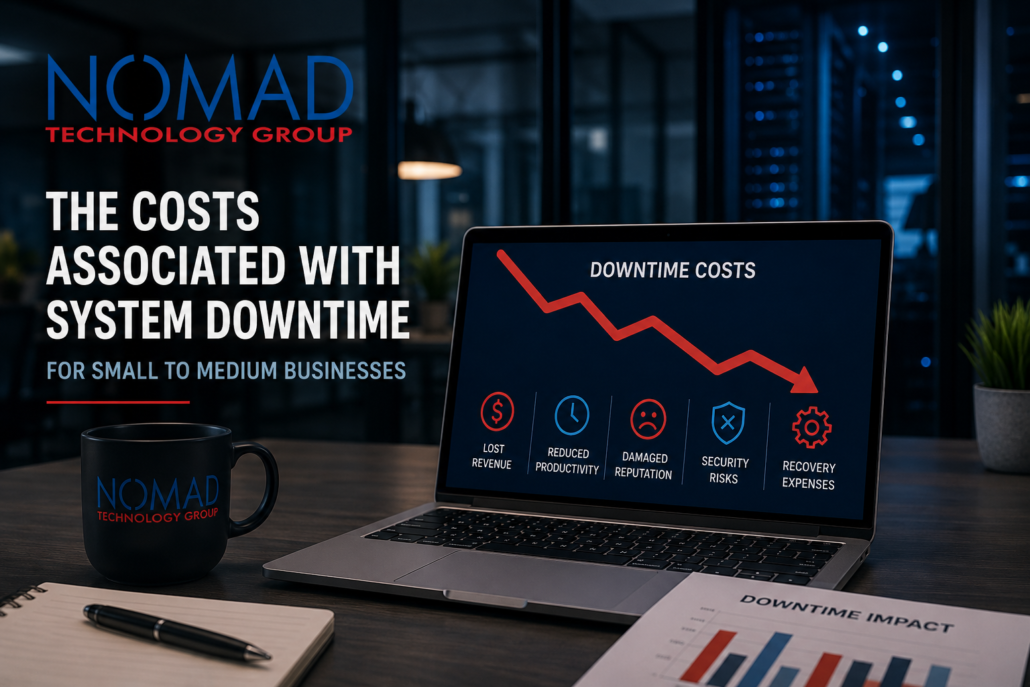
The Costs Associated With System Downtime for Small to Medium Businesses
The costs associated with system downtime for small to medium businesses can be far more damaging than many business owners realize. Whether caused by cyberattacks, hardware failures, internet outages, or software issues, downtime can disrupt operations, reduce productivity, and negatively impact customer trust. Furthermore, even a few hours of downtime may result in lost revenue and long-term reputational damage. Therefore, understanding the financial and operational consequences of downtime is essential for growing businesses.
Why System Downtime Is a Major Business Risk
Small to medium businesses rely heavily on technology to manage communications, customer service, payment processing, and internal operations. Consequently, when systems go offline, employees may be unable to access critical files, applications, or customer information.
Additionally, many businesses depend on cloud platforms, remote access systems, and internet-based services. Because of this, even minor disruptions can create widespread operational delays.
According to research from IBM Security, downtime can significantly affect productivity, customer satisfaction, and business continuity.
Lost Revenue During Downtime
One of the biggest costs associated with system downtime for small to medium businesses is immediate revenue loss.
For example, businesses may lose sales when:
- Customers cannot complete purchases
- Employees cannot process transactions
- E-commerce websites become unavailable
- Appointment scheduling systems fail
- Payment systems go offline
As a result, even short outages can quickly impact profitability.
Moreover, businesses that rely on online ordering or digital communication may experience larger financial losses because operations depend entirely on technology availability.
Reduced Employee Productivity
When systems are unavailable, employees often cannot perform their normal responsibilities.
Consequently, businesses may experience:
- Delayed projects
- Missed deadlines
- Communication breakdowns
- Reduced customer response times
- Increased overtime costs
In some cases, employees may remain idle while waiting for systems to recover. Therefore, downtime directly affects workplace efficiency and productivity.
Damage to Customer Trust and Reputation
Another major concern involving the costs associated with system downtime for small to medium businesses is reputational damage.
Customers expect businesses to remain reliable and accessible. However, repeated outages or extended downtime may reduce customer confidence.
For example:
- Clients may question a company’s reliability
- Customers may switch to competitors
- Negative online reviews may increase
- Business relationships may weaken
Additionally, recovering customer trust after a major outage can take significant time and effort.
Cybersecurity-Related Downtime Costs
Cyberattacks are one of the leading causes of unexpected downtime.
Ransomware attacks, phishing incidents, and data breaches can force businesses to shut down systems temporarily while investigating or recovering from an attack. Consequently, businesses may face additional expenses beyond operational losses.
These costs may include:
- Incident response services
- Data recovery efforts
- Legal or compliance fees
- Cybersecurity remediation
- Customer notification requirements
According to the Cybersecurity and Infrastructure Security Agency (CISA), ransomware attacks can severely disrupt business operations and create long-term financial consequences.
IT Recovery and Repair Expenses
The costs associated with system downtime for small to medium businesses also include technical recovery expenses.
After an outage occurs, businesses may need to invest in:
- Emergency IT support
- Hardware replacement
- Software restoration
- Data backup recovery
- Network repairs
Furthermore, emergency repairs often cost more than proactive maintenance. Therefore, businesses that lack a disaster recovery plan may face higher expenses during an outage.
Compliance and Legal Risks
Certain industries must meet strict data protection and operational compliance requirements.
As a result, prolonged downtime may create:
- Regulatory penalties
- Contract violations
- Compliance audit issues
- Legal liability concerns
Industries commonly affected include:
- Healthcare
- Financial services
- Legal services
- Retail and e-commerce
Because downtime can expose sensitive data or interrupt required operations, businesses should prioritize both cybersecurity and system reliability.
How Businesses Can Reduce Downtime Risks
Although system outages cannot always be prevented, businesses can significantly reduce risk through proactive planning.
1. Implement Regular Data Backups
Reliable backups help businesses recover quickly after hardware failures or cyberattacks.
2. Use Cybersecurity Protections
Firewalls, endpoint protection, and employee security training help reduce cyber risks.
3. Monitor Systems Proactively
Continuous monitoring allows businesses to identify issues before they become major outages.
4. Create a Disaster Recovery Plan
A recovery plan helps businesses restore operations faster during emergencies.
5. Keep Software and Hardware Updated
Routine updates reduce vulnerabilities and improve system performance.
Final Thoughts
The costs associated with system downtime for small to medium businesses extend far beyond temporary inconvenience. In many cases, downtime can impact revenue, productivity, customer trust, and long-term business growth.
Therefore, businesses should proactively invest in cybersecurity, system monitoring, backup solutions, and disaster recovery planning. Moreover, preparing for potential outages today can help prevent major financial losses tomorrow.